
Search
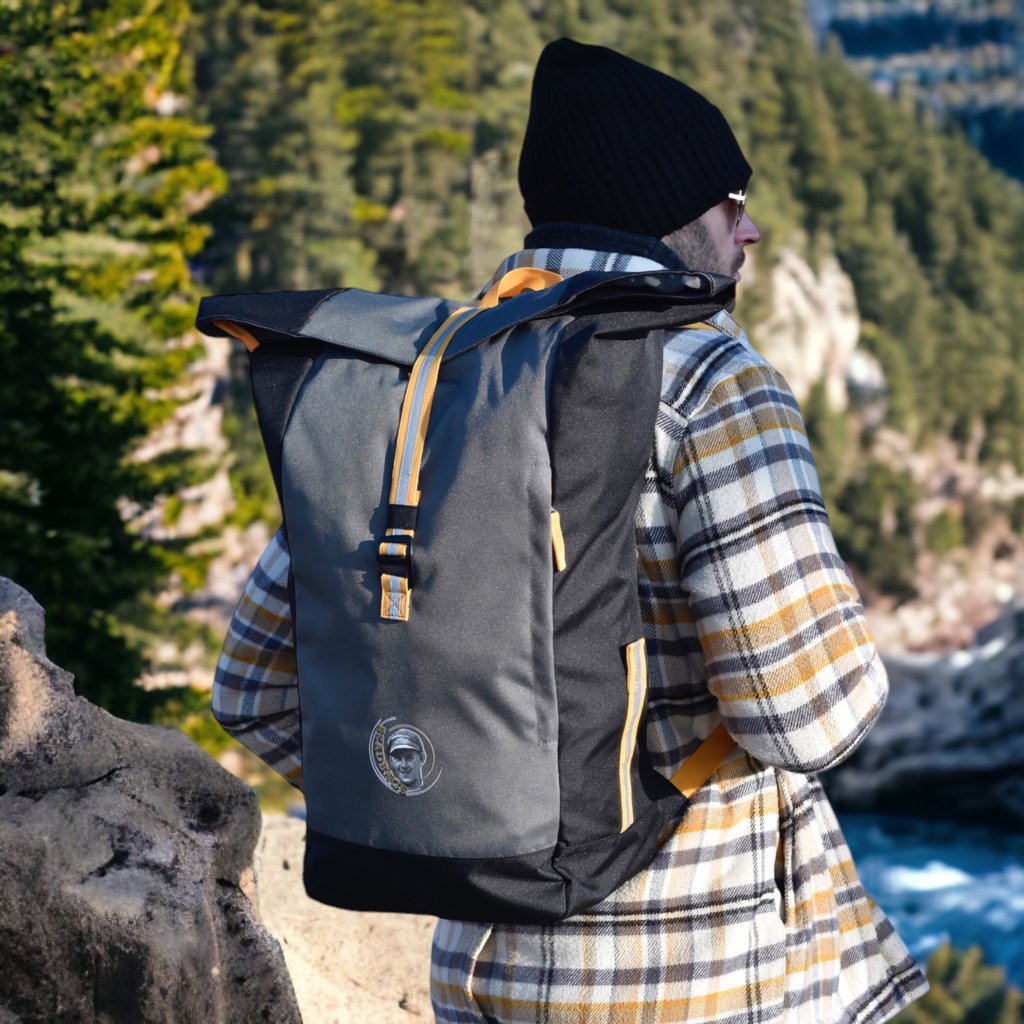
UNIQUE BECAUSE
no company has such a specific range of recycled materials that prevents the impact of plastic in lakes, rivers and seas.
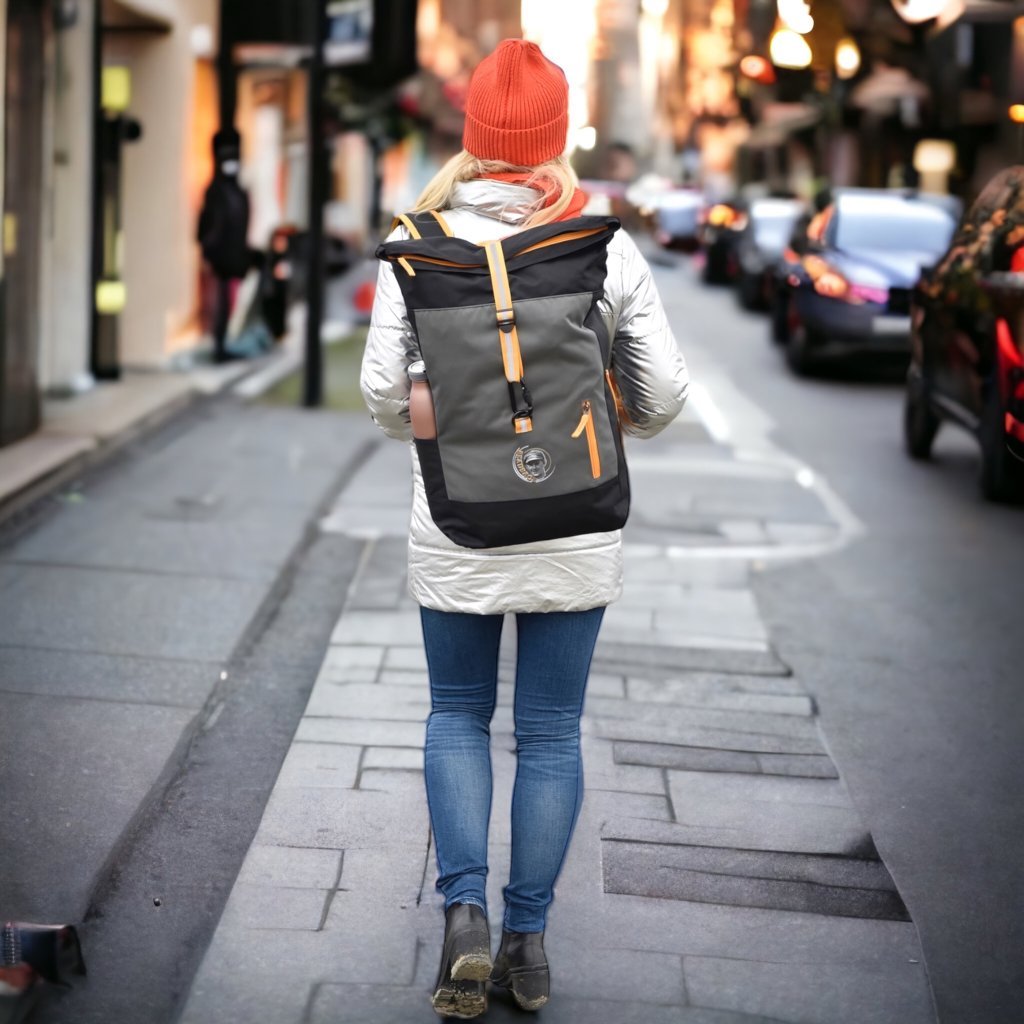
UNIQUE BECAUSE
our fair, sustainable bags and backpacks are certified in production with the highest credibility (e.g. WFTO or BSCI).
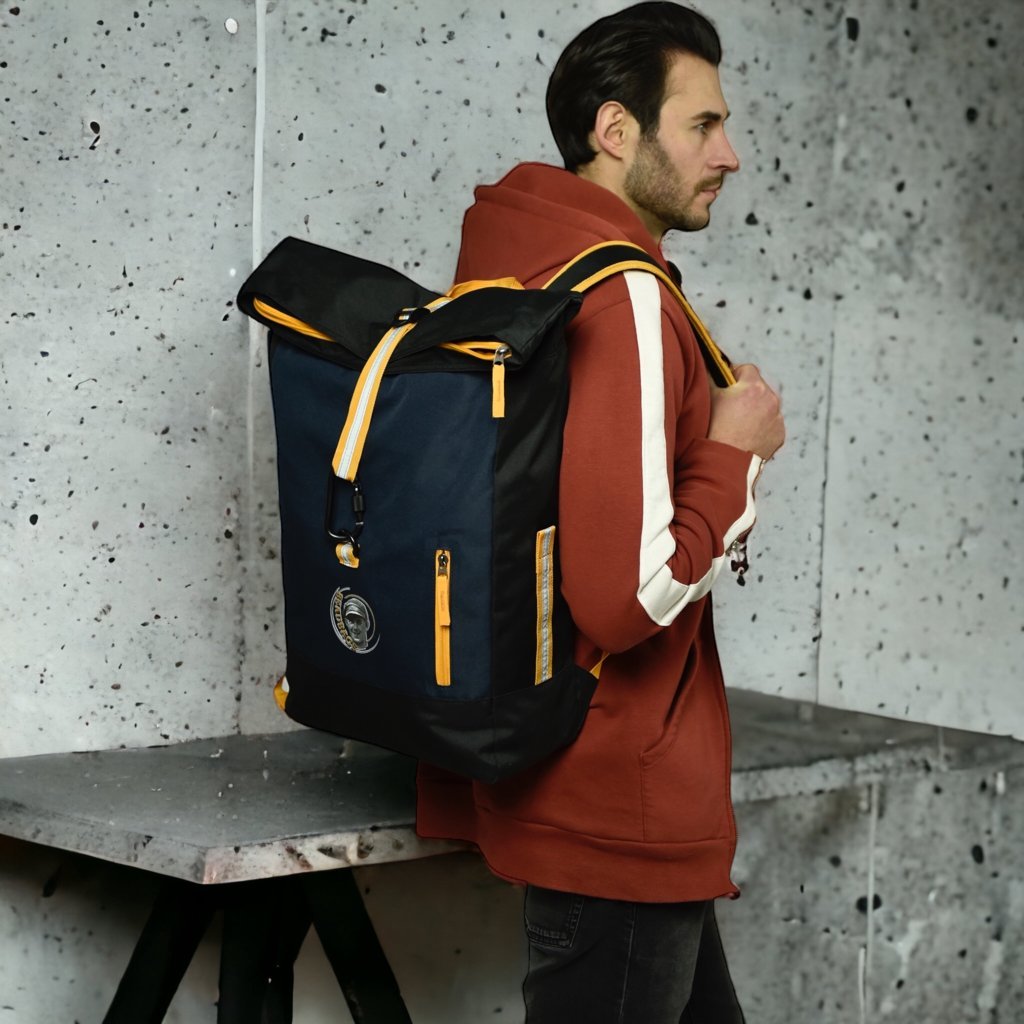
UNIQUE BECAUSE
we are firmly convinced that we have one of the strongest partner sustainability networks (e.g. the UN Ocean Decade 2021-2030 ).
Information in accordance with the Product Safety Regulation
Manufacturer details:
BEAD GmbH
Tente 33
42929 Wermelskirchen / Germany
Email: info@beadbags.de
Risk assessment according to RAPEX guidelines for Beadbags Spacy products
The assessment is based on potential risks related to the material, usage, and safety aspects of the bag. The probability and severity of potential hazards are taken into account.
Identification of risks:
- Mechanical stress: Possibility of tearing if overloaded or handled improperly. This could lead to injuries due to the loss of contents.
- Chemical exposure: Potential contamination from recycled PP material or plastic spacers (e.g., plasticizers, flame retardants).
- Choking hazard: If small parts such as spacers or zippers come loose, there is a risk to small children.
- Cuts or scratches: Poorly finished seams or sharp edges could cause minor injuries when worn.
- Environmental/water hazard: Improper disposal of the material could release microplastics or pollutants and thus cause environmental damage.
Probability estimation:
The probability of mechanical tearing is low, as the material is described as robust, but overloading cannot be ruled out. Chemical exposure is relatively low as recycled materials are used, though it depends on inspections. The detachment of small parts is very unlikely, as the bag is solidly constructed and double-stitched. Cuts or scratches are unlikely, as the workmanship is stated to be of high quality. The environmental risk is low, as it depends on long-term usage and disposal.
Severity assessment:
Mechanical tearing could cause minor injuries, for example through the dropping of heavy loads. Chemical exposure could cause moderate long-term health damage upon intensive exposure. The choking hazard for small children is classified as moderate, especially if small parts were to be swallowed. Cuts or scratches would be minor, as they would only cause superficial damage. The environmental risk could be low if microplastics or pollutants are released.
Risk levels and conclusion:
Overall, the bag presents a low to medium risk. Mechanical tearing is the only risk with a medium level, while all other risks are classified as low.
Recommended measures:
- Specify maximum load capacity to avoid mechanical tearing and injuries due to overloading.
- Conduct additional tests for freedom from harmful substances to rule out potential chemical risks.
- Add warning notices for children under three years of age to prevent choking hazards.
- Ensure that seams and spacers do not have sharp edges or loose parts to avoid injuries.
- Include recycling and disposal instructions to reduce environmental impact.
The Beadbags Spacy bag combines functionality, design, and sustainability. When used properly, it is safe, and the proposed measures can further optimize safety.
Risk assessment according to RAPEX guidelines for the described backpack
The risk assessment considers potential hazards associated with the use of the backpack as well as the probability and severity of possible injuries.
Identification of risks:
- Mechanical stress: Possibility of straps or the fastener tearing under overloading, which could lead to loss of contents or injuries from falling objects.
- Chemical exposure: Risk of contamination from recycled material (e.g., Oceanbound Plastic, PET) or the water-repellent coating.
- Choking hazard: Small parts such as hook closures or zipper components could come loose and be swallowed by small children.
- Skin irritation: Possible allergic reactions from contact with the material, especially during prolonged wear.
- Environmental/water hazard: Improper disposal could release microplastics or pollutants and thus burden the environment.
Probability estimation:
The probability of mechanical damage is low, as the material is described as robust. Chemical exposure is low because the materials are recycled and sustainability is emphasized, but quality tests determine the actual risk. The detachment of small parts is very low, as high-quality workmanship is stated. Skin irritation is unlikely, but could occur in sensitive individuals. The environmental risk is low if materials are not disposed of correctly.
Severity assessment:
Mechanical damage could cause minor injuries, especially through the dropping of heavy loads. Chemical exposure could cause moderate long-term health damage upon intensive exposure. The choking hazard is moderately relevant for small children if small parts were to be swallowed. Skin irritation would be minor and localized. The environmental risk is low if microplastics or pollutants are released.
Risk levels and conclusion:
Overall, the backpack presents a low to medium risk. Mechanical stress and environmental risk are the main aspects to consider, while all other risks can be classified as low.
Recommended measures:
- Clearly specify maximum load capacity to avoid damage due to overloading.
- Conduct regular tests for freedom from harmful substances and compliance with standards to minimize chemical risks.
- Attach warning notices for small parts that could be dangerous to children.
- Check the skin-friendliness of the material and, if necessary, declare that the material has been dermatologically tested.
- Include recycling instructions and guidance on proper disposal to reduce environmental impact.
Risk assessment according to RAPEX guidelines for Ocean products: Backpacks and waist bag
The assessment of the Beadbags Spacy bag is conducted considering potential risks regarding material, usage, and safety.
Identification of risks:
- Mechanical stress: Risk of tearing when overloaded, which could lead to a sudden loss of contents and possible injuries.
- Chemical exposure: Possibility of harmful substances in the recycled material (e.g., feed sacks or plastic spacers).
- Choking hazard: Detachment of small parts like spacers or zipper components that could be swallowed by children.
- Cuts or scratches: Danger from sharp edges or poorly finished seams.
- Environmental/water hazard: Potential release of microplastics or pollutants upon improper disposal.
Probability estimation:
Mechanical tearing is unlikely, depending on the load capacity and stress. Chemical exposure is unlikely, as materials are robust and tested. Choking hazard from small parts is very unlikely, as solid workmanship is stated. Cuts from workmanship are also unlikely. Environmental risk is unlikely if the bag is not disposed of in an environmentally friendly manner.
Severity assessment:
Mechanical tearing could cause minor injuries due to the loss of heavy loads. Chemical exposure could cause moderate long-term health damage, depending on exposure. Choking hazard would be moderate for small children if small parts were to be swallowed. Cuts or scratches would be minor and superficial. Environmental risks could be low, especially through long-term release of microplastics.
Risk levels and conclusion:
The bag presents a low to medium risk. Mechanical stress and environmental risk are the relevant aspects that should be considered further.
Recommended measures:
- Clearly specify load capacity and instructions for maximum load to avoid mechanical tearing.
- Regularly test the material for freedom from harmful substances to rule out chemical risks.
- Add warning notices for small parts for children under three years of age.
- Ensure the finish of seams and edges to minimize injury risks.
- Provide recycling instructions to ensure environmentally friendly disposal.
Both the backpack and the Ocean products are safe and environmentally conscious when used properly. The mentioned measures can further optimize safety and sustainability.